Mendelssohn - Spring Song
春城無處不飛花, and 花粉 as well, pollen, the invisible annoyance.
For the most part, people welcome the arrival of spring and are very
happy to leave the cold gloomy months of winter behind. But for
those, who, me included, suffer from spring allergies or "hay fever",
that lovely spring weather mean weeks, even months, of suffering
and misery as they start sneezing, wheezing and itching.
An allergen is a substance that can cause an allergic reaction.
Allergens are substances that, in some people, the immune system
recognizes as "foreign" or "dangerous" but cause no response for
most people.
People with seasonal allergies are allergic to something that's in the
air for just part of the year. Some very common seasonal allergies are
triggered by tree pollen in the springtime, grass in the spring through
summer and then ragweed and other weed pollens in the fall.
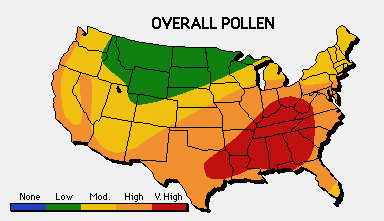
A sample pollen count
Our Local Weather Forecast has started to include “pollen count”
for the Valley. While the pollen count is only an estimate of the
amount of airborne allergens in the area and continually changing,
it is a good indicator whether people adversely affected by pollen
should spend much time outdoors.
Although we often pray for rain, the meteorological prescription,
which can wash away the pollen that had coated the landscape, it
would however also flourish mold and grass.There is an upside and
a downside to the rain, depending on what people are allergic to.
Yeh Tze

Jakob Ludwig Felix Mendelssohn Bartholdy, born into a notable Jewish family, and generally known in English-speaking countries, as Felix Mendelssohn (February 3, 1809 – November 4, 1847) was a German composer, pianist, organist and conductor of the early Romantic period.
ReplyDeleteAllergic rhinitis triggered by the pollens of specific seasonal plants is commonly known as "hay fever", because it is most prevalent during haying season. However, it is possible to suffer from "hay fever" throughout the year. The pollen which causes "hay fever" varies between individuals and from region to region; generally speaking, the tiny, hardly visible pollens of wind-pollinated plants are the predominant cause.
ReplyDelete寒食 ((唐˙韓翃))
ReplyDelete春城無處不飛花,寒食東風御柳斜。
日暮漢宮傳蠟燭,輕煙散入五侯家。
Did you ever try to use your mental power to control the allergies?
ReplyDelete