Thursday, April 30, 2015

司馬長風


在這春城無處不飛花的花粉季節, 我這花粉过敏者, 躲在室內, 縱覽群書, 研天文地理,窮歷史興衰, 也未嘗不是一個上上策.

司馬長風的 "中國新文學史" 被我束諸高閣也有一段時候了. 今天再把它拿下來東翻西翻. 它是一部於1991年經由傳記文學社出版的台版上下冊. ( 原先的《中國新文學史》上卷, 中卷, 下卷分別於1975, 1976 及1978年由香港昭明出版社出版.)


這本書的好處是你可前後跳來跳去閱讀, 因為它沒有情節的聯貫性.

司馬長風大概是秉持他老祖宗 司馬遷 (史記), 司馬光 (資治通鑑) 的治學精神, 窮多年心力撰寫這近百萬言書. 它是一筆六十多年新文學的總帳.

他是個 文學家, 史學家, 政論家.  他將一九一七年至一九六五年這一段新文學歷程劃分為五個時期: 誕生期, 成長期 ,收穫期, 風暴期, 沉滯期. 它是一部文學兼史學的文學史.

他在這本書的導言裏這麼說:

"如果我們把一九一七年以來的新文學史, 比做一條滔滔奔流的長河, 那麼在詳細欣賞兩岸風光之前, 須先做一全面性的鳥瞰; 首先看清源頭, 其次看奔流的方向, 然後再試劃分階段."

"司馬長風"這個名字, 聽起來好似武俠小說裏的一位武林高手. 他原名胡若谷, 遼寧瀋陽人, 生於一九二零年. 他花了五年的心血完成這本鉅著, 不久不幸辭世, 享年僅六十.

書中前幾頁的照片裏, 有張年青瀟灑的司馬長風, 有趕寫本書時, 書桌的一景. 還有他致友人的信函, 字跡如行雲流水, 飛躍著墨在小方格子上下.

按: 司馬長風, 蒙族, 胡什拔(呼斯拔)是他的真姓, 他在香港生活寫作卅多年, 是一名符其實的香港作家, 也是被漢族文明同化了的老蒙古。(司馬長風逝世卅周年紀念集 2010 )


葉子

Sunday, April 26, 2015

"Hay Fever"

Current Local and National Allergy Levels     
 
Spring is in the air, the birds are singing, and I am sneezing and coughing.

It is called "Hay Fever", yet my symptoms have nothing to do with "hay" or "fever".

It is the onslaught of allergy-inducing pollens and the misery they bring to those who suffer from "seasonal" allergies.

Over the past few weeks, the pollen counts, especially the tree pollen, have been recorded either as "high" or "very high" in our valley.

Among the worst offenders are oaks, walnut and olive trees, noting the fact that more olive groves have been planted locally in the last decade to meet growing demand for their oil.
 
Those trees are wind-pollinated, clouding the air with particles that can cause nasal congestion, watery eyes and other symptoms, in my case, the hacking cough. It has been windy in the valley for the last few days. The pollen can ride the wind to travel long distances.

Talking about tree pollen, we have plenty of it in our yard, where is under the hill with many mature oak trees. It is reported that a tree in your own yard could expose you to 10 times as much pollen as a tree down the street.
 
With the wonder and rebirth of Spring and while many of us love this time of year, "Hay Fever" sufferers like me dread it.


Yeh Tze

Friday, April 24, 2015

From "....stein" to "Chen"

From "....stein" to "Chen"

In the '70s and '80s, when I attended a CME (Continuing Medical Education) course, I noticed  that many of the young speakers’ surnames were often ended with "stein", "berg", “burg", …… .

Nowadays, in the CME meetings, I see "new" (ie. different) and "young" faces of the course speakers have their last names as "Chen", "Lee", "Lin", …. .

Like the early Jewish immigrants in the '40s, and '50s, the new Chinese, or Taiwanese, immigrants in the '60s and '70s, mostly the professionals from Taiwan, often sent their children to medical schools.

Many of the second generation immigrants, who were born in this new land, among many other factors, with the language advantage, compared to their parents, have made their way up to the top of the academic community.

This phenomenon has also been seen in other professions as well.

As one of the first generation immigrants, I admire and am proud of the remarkable achievements of our second generations.


Yeh Tze

Sunday, April 19, 2015

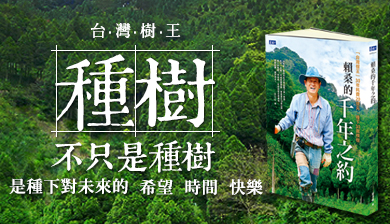
樹癡, 種樹ㄟ"賴桑".

 
"https://www.youtube.com/embed/9Sa5yPiKrWE"
台灣版種樹的人-遠見叢書-《賴桑的千年之約》--台灣樹王 (YouTube video)


賴倍元先生, 人稱"賴桑".

30歲開始, 買地種樹. 30年來, 散盡家財近20餘億.

至今已於大雪山購地130餘公頃, 種了30多萬棵珍貴的森林!

有人笑他憨, 笑他痴.

但他的信念很單純: "把對的事, 做到很大."

他說:

"在我回去之前, 要留下50萬棵"活"的"森林大軍".

"砍一棵樹, 只要一天; 種一棵樹, 卻能造福百年, 千年的後代."

"我為青山撫育三十年, 三十年後青山為我依歸."

"付出不想得到就會快樂, 上天讓我追求價值, 不追求價格, 因為價值是永久的, 價格只有30至50年而已."

"環境是最重要的, 但偏偏創造環境是最困難的."

"盆栽很美, 一盆上百萬, 數百萬的都有. 但是那種美, 那種大, 是固定的. 要種在土裡, 才夠大。
我要做的是'地球盆栽'."

"這是一種 '享受', 享受付出."
  
"唯有'種'樹能夠彌補我們的過去, 投資我們的未來."

"當我們付出了剎那, 確可以換來永恆. 這種工作, 你說, 應不應該來做."

"人的一生要做一次傻子, 太聰明的人都做三, 四十年, 傻子才能做三, 五千年."

"我的信仰, 就是種樹."

"全世界的投資, 沒有一樣勝過種樹."

"人家的財產是放在銀行, 我的財產是藏在地下, 誰比較厲害?"

"這片山地都是老天的, 我們只是代祂管理的園丁而已."


身穿縫滿補丁的牛仔褲,頭戴淺藍色的牛仔帽, 溫和樸實的"賴桑", 幽默的講述他對種樹的信仰.


Yeh Tze (葉子)

Sunday, April 12, 2015

1895-1945

https://www.youtube.com/embed/jVsEV4ynQwU (Click to view)
1895-1945 "見證日本對台灣的經營与建設" (YouTube documentary video presentation)

1895 到1945 的半世紀時光, 對台灣以及當年在地的台灣人而言, 是一段不幸的歷史.

然而我們平心靜氣, 從經濟文化的角度看去, 那何嘗不是台灣及台灣人的幸運.

我出生在這段時期的尾聲, 沒有親自得到見証.

小時候, 也就是台灣光復以後, 父親往往在言語之間, 懷念那段美好時光. 但他又總是不願, 或不敢很清楚的表達出來.

看了這段紀錄影片, 我似乎領會到當年父親的心境. 他只能默默地帶走他那美好的回憶.

就事論事, 撇開那些無聊的政治因素, 不可否認的, 在那占領台灣的五十年間, 不管目的何在, 日本人確實在台灣用心用力的開發, 建設, 經營.

影片裏, 重現台灣當年那麼多莊嚴優雅的建築, 造景美麗的公園. 我也看到曾經求學的建國中學, 台灣大學, 台大醫學院, 以及台大醫院的當年珍貴照片, 它們如今仍就保留不少完整的原始風貌.

當年父親對孩子們不願,也不敢多談的, 我從這影片都體會到了.


葉子

Monday, April 6, 2015

油彩的化身 -陳澄波

油彩的化身 -陳澄波

In her autobiography, "the Dust Tracks on a Road", Zora Neale Hurston, an African-American writer and anthropologist, wrote:

"….... you will have to know something about the time and place where I came from, in order that you may interpret the incidents and directions of my life..….."

Thus, when we interpret 陳澄波's art works and directions of his life, we have to know something about the time and place where he came from.

The other day, JHH, one of my NTUMC1968 classmates, emailed me a "FW" entitled "油彩的化身•陳澄波 / 台灣梵谷陳澄波之死".

"嘉義街外" 油彩‧畫布     陳澄波 1926

陳澄波 (1895 –1947) was a well known Taiwanese painter. In 1926, his oil painting "Street of Chiayi"  (嘉義街外) was featured in the seventh Empire Art Exhibition in Japan, which was the first time a Taiwanese artist's work could be displayed at the exhibition.

JHH also attached three introductory video presentations so that the readers know about the "time and place" where 陳澄波 came from.


The video presentation ended with an old saying, "生命有限, 藝術無價".


Yeh Tze

Friday, April 3, 2015

伊叟偶言

伊叟偶言

毋忘在莒


某日王老偕妻去金門前線, 回味他四十多年前的戰地經驗. 來到太武山, 遙指山上一座石碑, 感慨地跟夫人說: "勿望再舉".


伊叟偶言(二)

"incomplete", "complete", "finished"

兩千多年前, 孔老夫子曾在他的 "君子有三戒" 裹, 對 "incomplete", "complete"及 "finished" 做了定論:

少之時,血氣未定,謂之 "incomplete",青澀,因此戒之在色;
及其壯也,血氣方剛,謂之 "complete",完善,然而戒之在鬦;
及其老也,血氣既衰,謂之 "finished",完了,切記戒之在得。


葉子

Wednesday, April 1, 2015

Spring Delight


Spring Delight

The Japanese maple tree is viewed as a symbol of elegance, beauty, and grace. It also has an essence of mood and feeling.

Spring is an exciting time to enjoy the delightful and fascinating foliage of Japanese maples.

Just a few weeks back, I noticed the new leaves slowly emerging from the Japanese maple trees around my house.  I have then observed the tree transition from the laid-back, unhurried structures of winter to the bright colors and delicate textures of spring.

I love Japanese maples. They are known for their lacy and delicate foliage, their elegant architectural form and their beautiful foliage colors both in the spring and fall.

 With their graceful flow of trunks, delicate leaves flickering in the wind and translucent in light, Japanese maples evoke mental images of serenity, tranquility and peace.


Yeh Tze